





















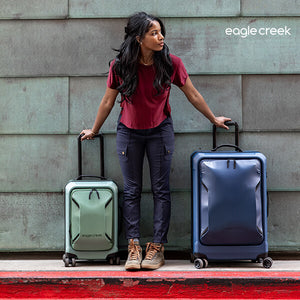









Buy Suitcases – Personal Advice Since 2007
You are looking for a suitcase that suits your trip – not the cheapest one and not the most expensive one, but the right one. At Markenkoffer.de, we have been advising our customers since 2007 from our boutique in Großmehring near Ingolstadt. We don't stock products by algorithm – we curate a selection of established brands: Samsonite, Titan, Travelite, Bric's, Porsche Design, Roncato, Delsey and more. If you are unsure, just give us a call: +49 8456 808070.
More than 90,000 customer reviews on Trusted Shops (4.87/5) and our status as a family-run specialist retailer speak for themselves. Fast shipping, a 30-day return policy and free delivery on orders over €50 come as standard.
Which brand is right for you?
Samsonite is the global market leader and relies on pure Makrolon polycarbonate with up to 10 years' warranty – the safe choice for frequent travellers. Titan impresses with German workmanship and well-thought-out features and has been one of the favourite brands among our regular customers for years. American Tourister, as a Samsonite subsidiary, delivers the same quality standards at a friendlier price.
If you are looking for a well-balanced price-performance ratio, Travelite from €49 is an excellent choice. Delsey brings French design and the patented ZIP SECURI TECH security system. For Italian elegance and durable craftsmanship, we recommend Bric's and Roncato. We also carry Stratic and Victorinox, among others – every brand in our store has a clear profile. You will find a complete overview of all the brands we carry in our brand overview.
Suitcase buying guide: how to find the right luggage
Choosing the right suitcase is not a matter of taste – it depends on three factors: travel duration, mode of transport and destination. We have been answering these questions every day since 2007, in consultations and sales – and that is exactly the knowledge you will find on this page: from our volume guide to questions of material and wheels, through to packing tips, price ranges and our after-sales service. There is no such thing as the one perfect suitcase – but there is the right one for every kind of trip.
The right suitcase size for your travel duration
As a rule of thumb, allow around 50 litres of suitcase volume per week of holiday. For winter trips with bulky clothing you should plan 30–40% more space – the same applies to business trips with suits and shirts.
- Cabin luggage (S): 55 cm, 30–40 litres – for 2–5 days or as an addition to your checked luggage
- Medium (M): 60–69 cm, 60–80 litres – our best-selling size for a standard 1–2 week holiday
- Large (L): 70–79 cm, 90–110 litres – ideal for two- to three-week trips or winter holidays
- Extra large (XL): 80+ cm, 120+ litres – long-term travel or family holidays
A practical tip from our consultations: do a test pack of your suitcase 2–3 days before departure. That way you will see in good time whether the size is right – and can exchange it at your leisure instead of improvising on the day you leave. Also keep an eye on the empty weight: a cabin suitcase should not weigh more than 2.5–3 kg empty, a medium-sized model no more than 3.5–4 kg. You will find particularly weight-saving models in our selection of lightweight suitcases from 1.9 kg.
Hard-shell suitcase or soft luggage?
Hard-shell suitcases made of polycarbonate offer maximum protection: they are waterproof, impact-resistant and stack neatly to save space – ideal if you fly or transport fragile items. Soft luggage weighs less, flexes thanks to its expansion fold and offers exterior pockets for quick access – the better choice for car and rail travel. Around 65% of our customers choose a hard shell, because most buy primarily for air travel.
In a direct comparison, this means: thanks to its welded, waterproof shell, the hard case also protects electronics, glassware and souvenirs reliably, can be stacked and is easy to wipe clean – in return it is rigid and usually weighs 3.5–5 kg in size M. Soft luggage weighs in at just 2.5–4 kg, can be enlarged via its expansion fold and offers exterior pockets for documents and small items – the textile fabric, however, is only impregnated, not waterproof. If you repack frequently or travel by car, you are better off with a fabric suitcase; if you fly, go for the hard shell.
4 wheels or 2 wheels?
4-wheel suitcases (spinners) respond to the lightest touch of a finger in any direction and roll along beside you on their own – ideal for airports and smooth floors. 2-wheel suitcases have larger, more robust wheels and do not tip over when standing – the better choice for cobblestones and uneven paths. Around 78% of our customers now choose 4 wheels, as modern double wheels run smoothly even on uneven ground.
4 wheels in detail: spinners rotate 360 degrees, take the strain off your arm and shoulder because the suitcase rolls upright beside you, and are more manoeuvrable in narrow aisles. Just bear in mind: on slopes they can roll away – which is why high-quality models come with a parking brake. 2 wheels in detail: the larger, often rubberised wheels handle gravel and cobblestones better, but the suitcase has to be tilted and pulled. What to look for in either system: smooth-running, wobble-free wheels with a rubberised tread for quiet rolling – and ideally double wheels (eight wheels on a 4-wheel system) for extra stability.
Material: polycarbonate, ABS or aluminium?
Polycarbonate is the premium material: extremely break-resistant, featherlight and it returns to its original shape after deformation. Samsonite and Titan rely on pure Makrolon polycarbonate. ABS is the more affordable alternative – solid for occasional travellers, but heavier and less flexible. Aluminium stands for longevity and sophisticated design, but adds considerably more weight. Our recommendation: for frequent travellers polycarbonate pays off, for 1–2 trips a year ABS is perfectly sufficient.
In numbers: a size M polycarbonate suitcase weighs around 3–4 kg, lasts 10 years and longer with good care and costs around 20–30% more than ABS. ABS models weigh around 4–5 kg and can break under heavy impact, whereas polycarbonate bends and springs back. Aluminium suitcases are the heaviest at 5–7 kg and, at €300–1,000, the most expensive – in return they last 20 years and more; dents can be knocked out and are part of this material's character. For soft luggage the rule is: at least 600D polyester, ideally 1200D – the fabric determines the lifespan.
Expander function: an expansion fold for up to 25% more volume
Many suitcases feature an expansion fold (expander) that increases the volume by up to 25% – worth its weight in gold when you return with souvenirs or shopping. The feature is widespread on soft luggage, and it is also available on hard-shell models. Make sure the expansion does not come at the expense of stability: high-quality models reinforce the expansion fold with additional seams. And remember that an expanded suitcase may exceed your airline's cabin luggage dimensions – so on the outbound flight, it is best to treat the expansion fold as a reserve.
TSA lock: securely locked on your flights
TSA stands for Transport Security Administration, the US transport security authority. The background: when you travel to the USA or transit through US airports, security staff are allowed to inspect your suitcase. A normal lock will simply be broken open without compensation – a TSA lock, on the other hand, can be opened by the officers with a master key without damaging your luggage. You remain protected against theft all the same.
A TSA lock is therefore strongly recommended for trips to the USA, but it also makes sense on all other international flights: it offers more security than simple combination locks and is recognised internationally. You can identify it by the red diamond logo on the lock. It is easy to use: you set a three- or four-digit code – only you and the security authorities can open the suitcase. Many current models from Samsonite, Titan or Travelite already have one integrated; if not, a TSA padlock can be retrofitted from around €8 – you will find one, along with further accessories, in our travel accessories category.
How much does a good suitcase cost? The price ranges at a glance
The price says a lot about material, workmanship and lifespan. To help you put the price ranges into perspective, here is our honest assessment as specialist retailers:
- Budget segment (€40–80): ABS hard shell or simple polyester. Perfectly adequate for occasional travellers with 1–2 trips a year, lifespan around 3–5 years. You will find solid entry-level models at Travelite, for example.
- Mid-range (€80–150): polycarbonate or high-quality nylon, lifespan 5–8 years. This is where value for money is at its best – typical brands are Travelite, Titan and American Tourister. Our recommendation for anyone who travels 3–5 times a year.
- Premium segment (€150–400): pure Makrolon polycarbonate or aluminium, lifespan 10–15 years and long manufacturer warranties. This is where Samsonite, Delsey, Bric's and Porsche Design play.
The maths we show customers in our store: a premium suitcase at €180 used for 10 years works out at €18 per year. A budget model at €50 lasting 4 years comes to €12.50 per year. That difference of €5.50 per year buys you noticeably better wheels and zips – and a manufacturer that supplies spare parts. If the purchase price is what matters most, you will always find reduced brand-name models in our suitcase sale – buying cheap at our store means brand quality at a reduced price, not no-name goods.
Packing done right: packing tips from our consulting practice
With a system, you will fit considerably more into the same suitcase – and arrive wrinkle-free. Our tried-and-tested approach from daily consultations:
- Write a packing list 2–3 days ahead – and then cross off around 20% again. Choose clothes you can mix and match.
- Roll instead of folding: roll t-shirts, trousers and dresses up tightly. This saves up to 30% space, reduces creases and keeps everything in view.
- Heavy items on the wheel side: shoes, books and your toiletry bag belong at the bottom. This keeps the centre of gravity low and the suitcase will not tip over.
- Use packing cubes: they compress clothing, keep things organised by category and make rearranging at the hotel easier – you will find them in our travel accessories.
- Use every gap: stuff socks and underwear into your shoes, lay belts along the edge of the case.
- Delicate items in the middle: nestle shirts and blouses between soft layers; jackets and jumpers as the top, cushioning layer.
- Documents and valuables in the lid compartment – or straight into your hand luggage.
And the most important tip of all: set the fully packed suitcase aside for a day and then go through your list once more. Experience shows that something always gets forgotten on the morning of departure.
Warranty, repairs and spare parts: what sets the specialist retailer apart
A brand-name suitcase is a purchase for many years – and that is exactly why our responsibility does not end at the checkout. All brands in our range come with a manufacturer's warranty, between 2 and 10 years depending on the brand and series; with Samsonite it is up to 10 years. And if something does break, we will not leave you alone with a hotline: we handle warranty claims and repairs directly with the manufacturer on your behalf.
Spare parts are also available for all major brands – typically wheels, telescopic handles and grips, in other words exactly the parts that work hardest in everyday travel. A broken wheel is no reason to throw away a good suitcase. Our advice at the time of purchase: check whether the manufacturer keeps parts in stock for years – with established brands such as Samsonite, Titan, Travelite or Delsey this is the case. That is more sustainable and cheaper in the long run than any supposed bargain buy. If something gets damaged, simply give us a call (+49 8456 808070, Mon–Fri 10 am–4 pm) or write to office@markenkoffer.de – even if your purchase was years ago.
Popular categories at a glance
- Hard-shell suitcases – robust, waterproof, stackable
- Soft luggage & fabric suitcases – flexible, lightweight, with exterior pockets
- Luggage sets – up to 30% cheaper than buying individually
- Cabin luggage 55×40×20 – airline-compliant, 30–40 litres
- Lightweight suitcases – ultralight from 1.9 kg
- Large suitcases – 90 litres and more for long trips
- Aluminium suitcases – sophisticated design, built to last
- Business trolleys – with a padded laptop compartment
- Children's suitcases & trolleys – colourful, lightweight, robust
- Travel bags – the flexible alternative to a suitcase
- Backpacks – from daypacks to travel backpacks
- Travel accessories – packing cubes, TSA locks, luggage straps
- Suitcases on sale – reduced brand-name models
- All suitcases & trolleys
Why buy from Markenkoffer.de?
At Markenkoffer.de, service does not end with the purchase. Since 2007 we have been helping our customers choose the right luggage – in our store in Großmehring near Ingolstadt and online. Behind the shop is an owner-run family business, not an anonymous marketplace.
- Personal advice – by phone (+49 8456 808070), email or live chat. We know the models we sell.
- Same-day dispatch for orders placed by 2 pm (Mon–Fri) – from our own warehouse in Großmehring
- Free shipping over €50 – delivery within 1–2 working days throughout Germany
- 30-day return policy – test your suitcase at home at your leisure, free returns on orders over €50
- Warranty & repair service – manufacturer's warranty of 2–10 years depending on the brand, spare parts for all major brands, handled through us
- Local store – Junkers-Ring 4, 85098 Großmehring (Interpark Süd), Mon–Fri 10 am–4 pm: touch, test and get personal advice
- Secure payment – PayPal, Klarna instalments, credit card – all transactions SSL-encrypted
Find the right suitcase now
You now have all the information you need to make a well-founded decision – from suitcase size to material, wheels and TSA lock through to price range. When you are ready to buy a suitcase, you will find the right selection of established brands in our range: explore all suitcases & trolleys now. And if you are unsure, give us a call – personal advice has been our craft since 2007.
Frequently asked questions about buying a suitcase
What size suitcase do I need for a one-week holiday?
For a one-week holiday, we recommend a medium-sized suitcase (M) with a height of 60–69 cm and a volume of 60–80 litres. That is enough for seven to ten outfits including shoes and a toiletry bag. For winter trips with bulky clothing, choose size L (70–79 cm). Packing tip: rolling instead of folding saves up to 30% space.
Hard-shell suitcase or soft luggage – which is better?
It depends on how you travel. Hard-shell suitcases made of polycarbonate protect their contents best, are waterproof and stackable – the first choice for air travel. Soft luggage weighs less, can be expanded by up to 25% via its expansion fold and offers exterior pockets – perfect for car and rail travel. For frequent flyers we recommend a hard shell, for flexible travellers soft luggage.
What does TSA lock mean and do I need one?
TSA stands for Transport Security Administration – the US transport security authority. Security officers can open a TSA lock with a master key without damaging the suitcase. A TSA lock is strongly recommended for trips to the USA, as luggage without such a lock may be broken open. It also offers extra security on other international flights.
How many litres should a cabin suitcase have?
A cabin suitcase should offer 30–40 litres of volume at a maximum of 55×40×20 cm. The permitted weight is usually between 8 and 10 kg, depending on the airline and fare. Look for lightweight materials such as polycarbonate, so that more of the weight allowance is left for your belongings. For 2–3 days, 30 litres is enough; for 4–5 days, better choose 38–40 litres. Always check your airline's current rules before departure.
Which suitcase brand is the best?
That depends on your budget: Samsonite is the global market leader with premium polycarbonate and up to 10 years' warranty (from €150). Titan offers German quality with well-thought-out features (from €100). American Tourister delivers Samsonite quality at a lower price (from €70). Travelite is the budget champion with solid value for money (from €49). For frequent travellers, the investment in Samsonite or Titan pays off.
Is a luggage set worth it, or is it better to buy individually?
A luggage set is 20–30% cheaper than buying the pieces individually – with a 3-piece set you save €50–100. Sets are worthwhile if you take trips of different lengths several times a year, or if you need different sizes as a family or couple. The most popular combination: S (55 cm cabin size) + M (65 cm) + L (75 cm). If you only travel once or twice a year, a single suitcase in the right size is all you need.
How much should a good suitcase cost?
In the budget segment (€40–80) you get solid ABS or polyester models for occasional trips, with a lifespan of around 3–5 years. The mid-range (€80–150) offers polycarbonate or high-quality nylon and the best value for money – this is where you will find Travelite, Titan and American Tourister. In the premium segment (€150–400) you get pure Makrolon polycarbonate from Samsonite or Delsey with a lifespan of 10–15 years. Calculated over its years of use, a good suitcase often costs barely more than a budget model that has to be replaced after a few years.
How do I pack a suitcase properly?
Write a packing list 2–3 days before departure and cross off around 20% again. Roll your clothes instead of folding them – this saves up to 30% space and reduces creases. Pack heavy items such as shoes and your toiletry bag on the wheel side so the suitcase does not tip over. Packing cubes keep things organised, and you can fill gaps with socks and underwear. Delicate clothing goes protected in the middle, while documents and valuables belong in the lid compartment or in your hand luggage.
How do I recognise a high-quality suitcase?
Look out for five things: a polycarbonate shell should give slightly when pressed and spring back; for soft luggage, at least 600D polyester is a good sign. Smooth-running, rubberised double wheels roll quietly and do not wobble. The telescopic handle should have several locking heights and sit firmly. High-quality zips (e.g. YKK) and double stitching at stress points indicate durability. And: a manufacturer's warranty of at least 2 years plus available spare parts show that the manufacturer trusts its product.
Are 2 or 4 wheels better on a suitcase?
4-wheel suitcases (spinners) can be steered 360 degrees in any direction and roll upright beside you – ideal for airports, train stations and hotels. 2-wheel suitcases have larger, more robust wheels and have the edge on cobblestones and uneven paths; they also do not tip over when standing. Around 78% of our customers now choose 4 wheels, as modern double wheels run smoothly even on uneven ground.
Can I lock my suitcase on a flight?
Yes – but only with a TSA-approved lock. Security authorities, especially in the USA, are allowed to break open normal locks during an inspection without compensation. TSA locks, on the other hand, can be opened by the officers with a master key without damaging the suitcase – and you remain protected against theft. You can recognise a TSA lock by its red diamond logo. If your suitcase does not have an integrated lock, you can retrofit a TSA padlock from around €8.
Can I get spare parts if something on my suitcase breaks?
Yes. Spare parts such as wheels, telescopic handles and grips are available for all major brands in our range – including Samsonite, Titan and Travelite. As a specialist retailer, we handle warranty claims and repairs with the manufacturer on your behalf. Just give us a call (+49 8456 808070) or write to office@markenkoffer.de – even if your purchase was several years ago.

Popular suitcases & trolleys


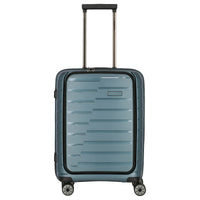

Top brands discovered for you
Brand Tips & Bestsellers

Our top categories
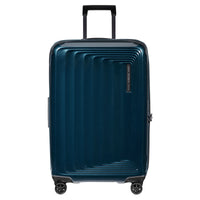
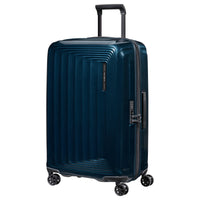
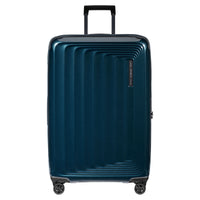
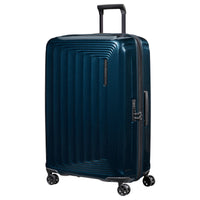

Luggage on offer
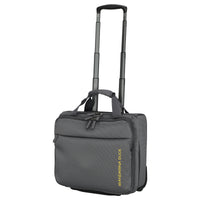
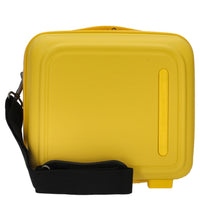
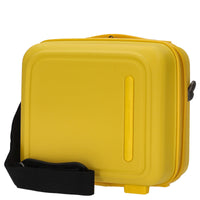
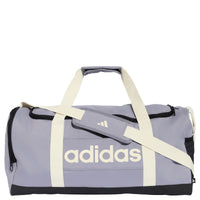
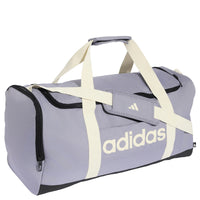

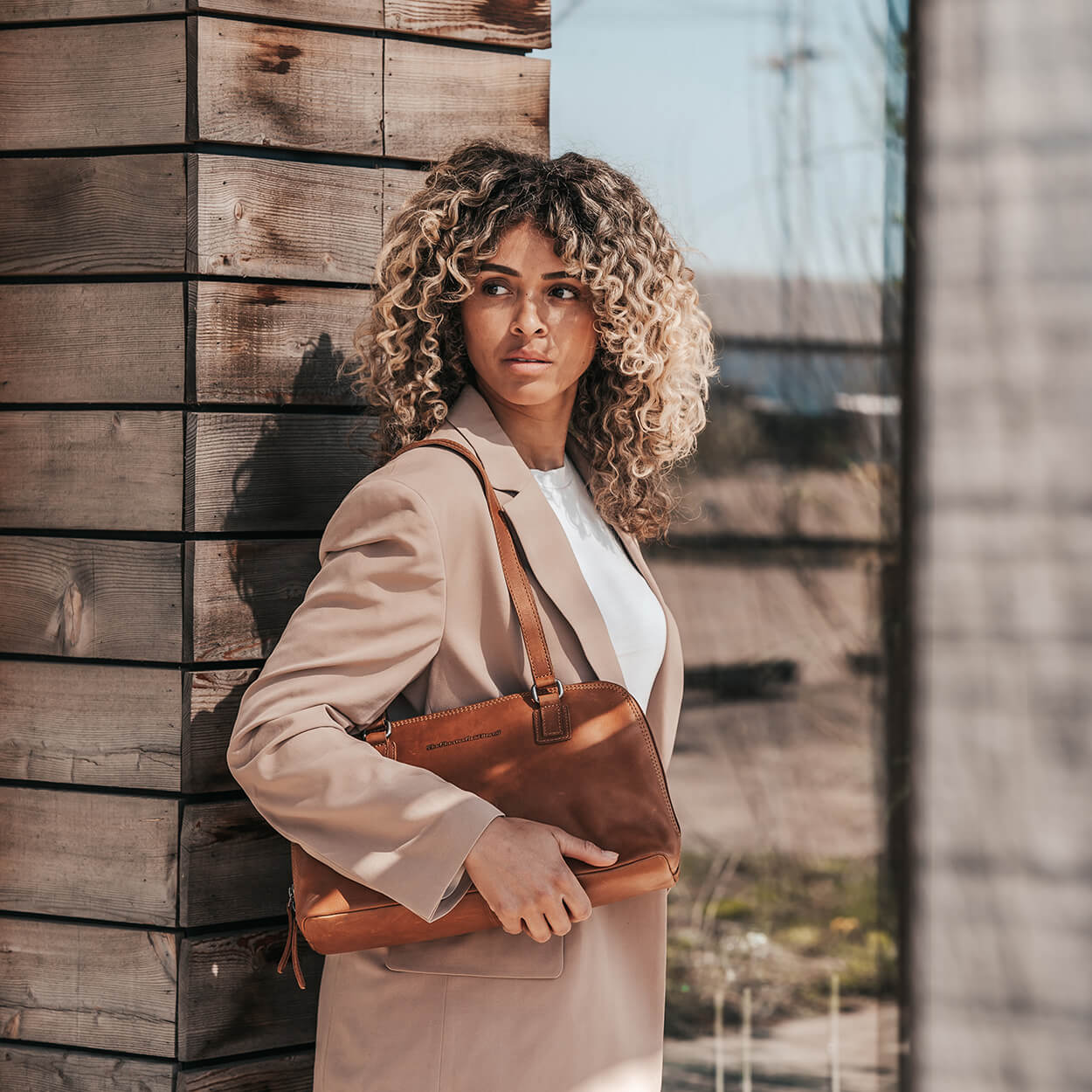
Bag deals

On offer for you


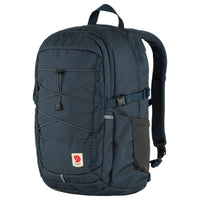

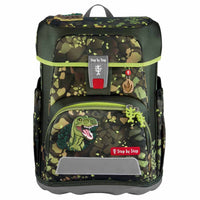
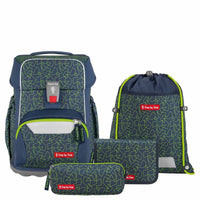
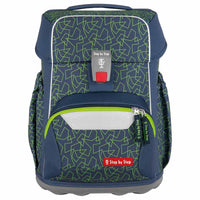
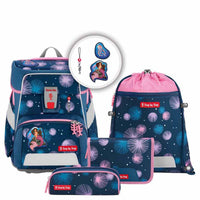
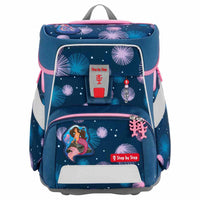

School bag offers
Travel Magazine
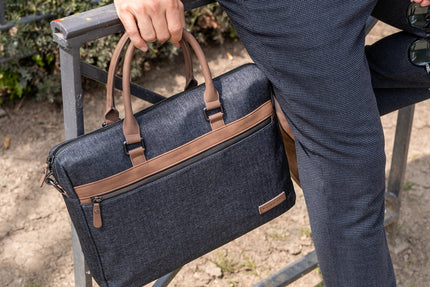
Laptop inch sizes and finding the right bag
Updated: April 2026 · Laptop inch measurements refer to screen diagonal. For the case, the chassis dimensions matter – see measurement guide below. When buying a laptop bag, you encounter...
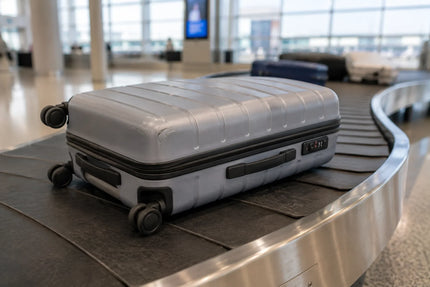
Suitcase broken after flight? Here's the right way to proceed!
Updated: April 2026 · Legal basis is the Montreal Convention (for international flights) and the Warsaw Convention. Compensation amounts are adjusted annually. This is not legal advice – consult a...

Discover the Osprey Talon & Tempest series – ultra-light hiking backpacks for every adventure! Whether it's a day hike or a multi-day tour: These backpacks offer you a perfect fit,...
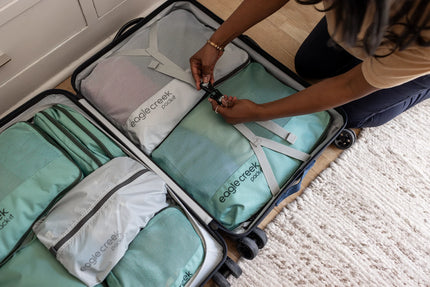
10 packing tips for your next adventure
Packing a suitcase can be quite tricky – too much, too little, or just packed impractically? With our 10 practical packing tips, you'll learn how to save space, organize cleverly,...
