* Terms*Eligible items are marked on the product page by an info box above the price, which also shows the product-specific voucher value. The selection changes regularly and applies only while the respective promotion is running. The voucher cannot be combined with other vouchers or promotional prices.
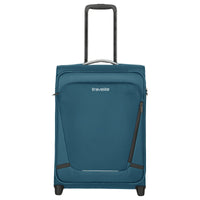
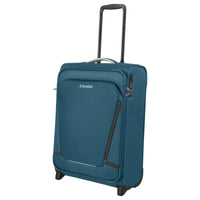
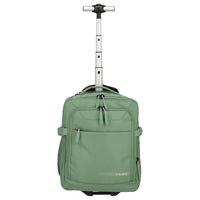
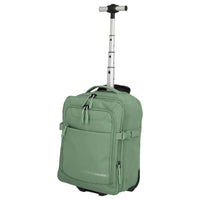
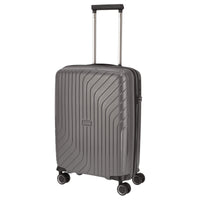
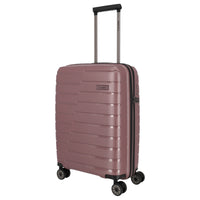
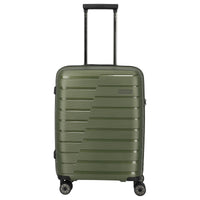
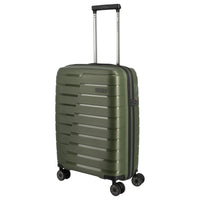
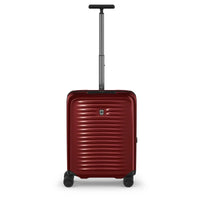
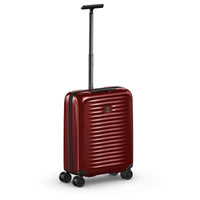
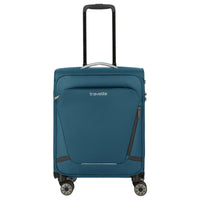
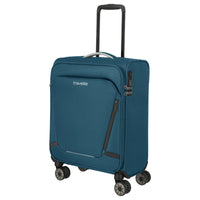
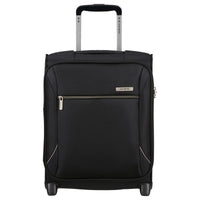
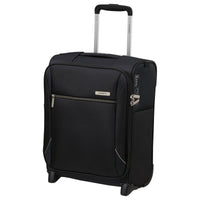
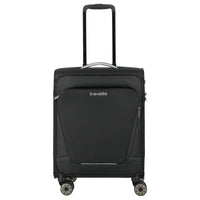
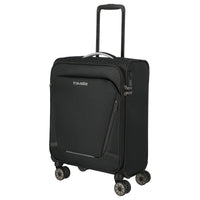
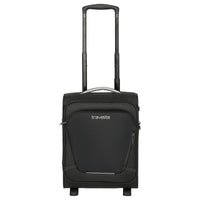
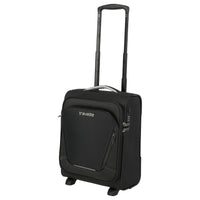
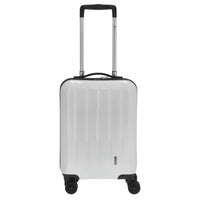
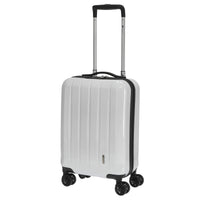
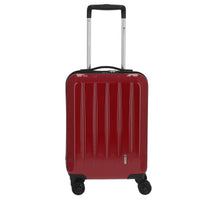
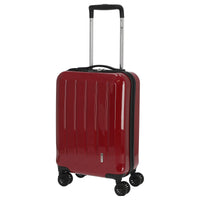
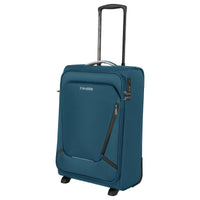
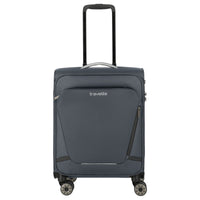
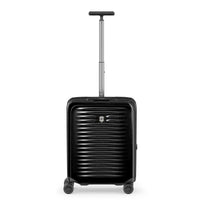
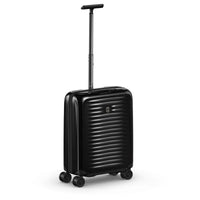
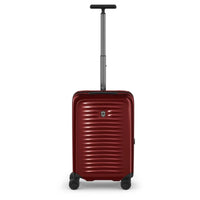
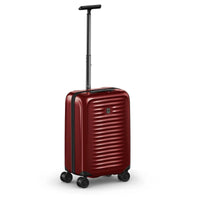
Discover our light suitcase - perfect for Stress -free travel. Compact, robust and ideal for Hand luggage or Case for short trips. Find your light suitcase now For a convenient journey!
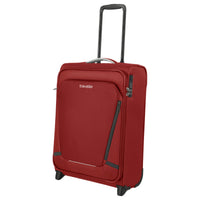
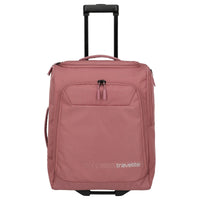
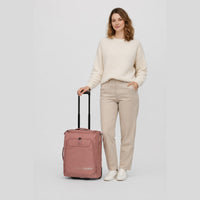
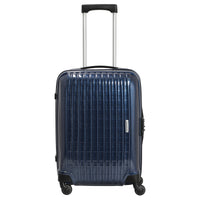
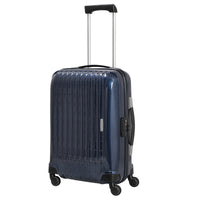
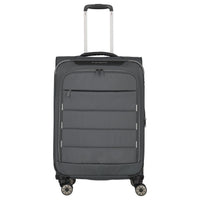
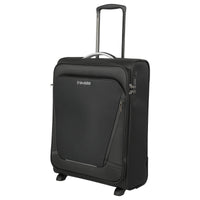
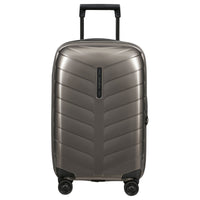
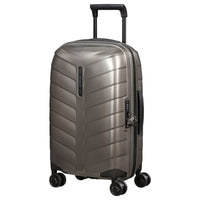
Lightweight cabin suitcases (55 cm) start from 1.7 kg, with standard models weighing 1.9 to 2.3 kg. Medium suitcases (66 cm) start from 2.5 kg (standard 2.8 to 3.2 kg), large suitcases (75 to 78 cm) start from 3.2 kg (standard 3.5 to 4.2 kg), and XL suitcases start from 4.0 kg. Every kilogram saved in empty weight is one kilogram more luggage allowance under the same airline limit.
Based on the empty weights of models in this category, as of August 2026
Buy Lightweight Suitcases – Ultra-Light and Durable
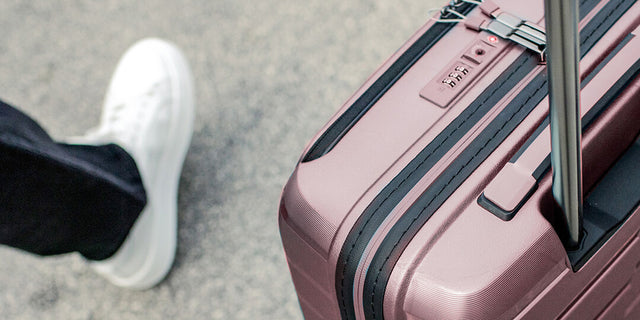
A lightweight suitcase saves you real money on every flight – and spares your back. Modern models weigh under 2 kg yet still offer full durability, a well-thought-out interior, and 4 spinner wheels. For frequent flyers and families with strict weight limits, ultra-lightweight suitcases are the most important investment you can make.
How Light Are Lightweight Suitcases?
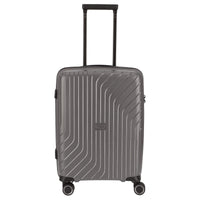
Cabin trolley (55 cm) – from 1.7 kg, standard 1.9-2.3 kg
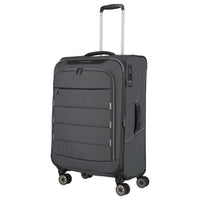
Medium suitcase (66 cm) – from 2.5 kg, standard 2.8-3.2 kg
Large suitcase (75-78 cm) – from 3.2 kg, standard 3.5-4.2 kg
XL suitcase (80+ cm) – from 4.0 kg, standard 4.3-5.0 kg
Material Makes All the Difference
Polycarbonate is the lightest hard-shell material while maintaining full stability – most ultra-lightweight models use it. ABS-polycarbonate blends are more affordable, slightly heavier, but similarly durable. Recycled polyester used in soft-shell luggage is lighter still. Aluminium suitcases are robust but noticeably heavier – not a lightweight choice.
What to Look for in a Lightweight Suitcase
Weight including wheels and handle – some brands only quote the shell weight, so the actual travel weight can be 200-400 g higher
Expandability – an expansion zip adding 3-5 cm of extra volume is especially valuable on lightweight models
4 smooth-rolling wheels – double spinner wheels made from polyurethane roll quietly and last longer
TSA lock – a built-in combination lock for stress-free travel to the US
Aluminium telescopic handle – sturdy yet light, with multi-stage locking
Lightweight Suitcases for Frequent Flyers and Families
If you fly regularly, you know the drill: every extra kilogram can mean an excess baggage fee or repacking at check-in. A lightweight suitcase weighing 1.9 kg instead of 3 kg gives you 1.1 kg of extra packing capacity within the same luggage allowance. For families travelling with three suitcases, this quickly adds up to 3 kg more capacity – or simply lower excess baggage fees.
Lightweight cabin suitcases weigh from 1.7 kg, with standard models at 1.9-2.3 kg. Lightweight medium suitcases start from 2.5 kg. Large suitcases start from 3.2 kg. Always check the weight including wheels and handle – that's the actual travel weight.
Which material is the lightest?
Polycarbonate is the lightest hard-shell material. For soft-shell luggage, recycled polyester and ripstop nylon are the lightest options. Aluminium is noticeably heavier than polycarbonate and isn't considered ultra-lightweight.
Are lightweight suitcases sturdy?
Yes, modern polycarbonate suitcases easily withstand drops, heavy baggage handling and conveyor belts. The thin shell walls are compensated for by the material's high strength. Look for a 2-5 year warranty as an indicator of quality.
What does "weight including wheels" mean?
Some manufacturers only list the shell weight, excluding wheels, handles and the lock. The actual travel weight (what the airline weighs) is 200-400 g higher. When comparing suitcases, always check for the "travel weight" or "total weight" figure.
Is a lightweight suitcase worth it?
Absolutely, if you're working with a strict weight limit. 1 kg less empty weight means 1 kg more packing capacity or 1 kg less excess baggage fee. If you travel several times a year, the extra cost of a lighter model pays for itself quickly.
Which lightweight suitcases are best for cabin luggage?
Cabin suitcases weighing 1.7-2.2 kg with dimensions of 55 × 40 × 20 cm or 55 × 40 × 23 cm are ideal. Important: check the external dimensions including wheels, not just the shell size. A polycarbonate hard shell is the most common choice in this class.
Subscribe to the newsletter, get 15% off*
Fast geschafft!
Wir haben dir eine E-Mail mit dem Betreff „Bestätige, dass du E-Mail-Marketing erhalten möchtest" geschickt. Klicke dort auf „Abonnieren", um deinen 15% Willkommensrabatt zu erhalten.
Keine E-Mail erhalten? Schau in deinem Spam-Ordner nach.
Confirm your registration via the link in the email. If you can't find it, please check your SPAM folder!
*Voucher is valid for non-discounted items, cannot be combined with other vouchers. Individual brands or items may be excluded. Cancellation possible at any time.
By subscribing to the newsletter, you accept the [privacy policy]. Offer valid for new customers only.